
Saudi Rheumatism Association
Under the framework agreement with Developmental Housing
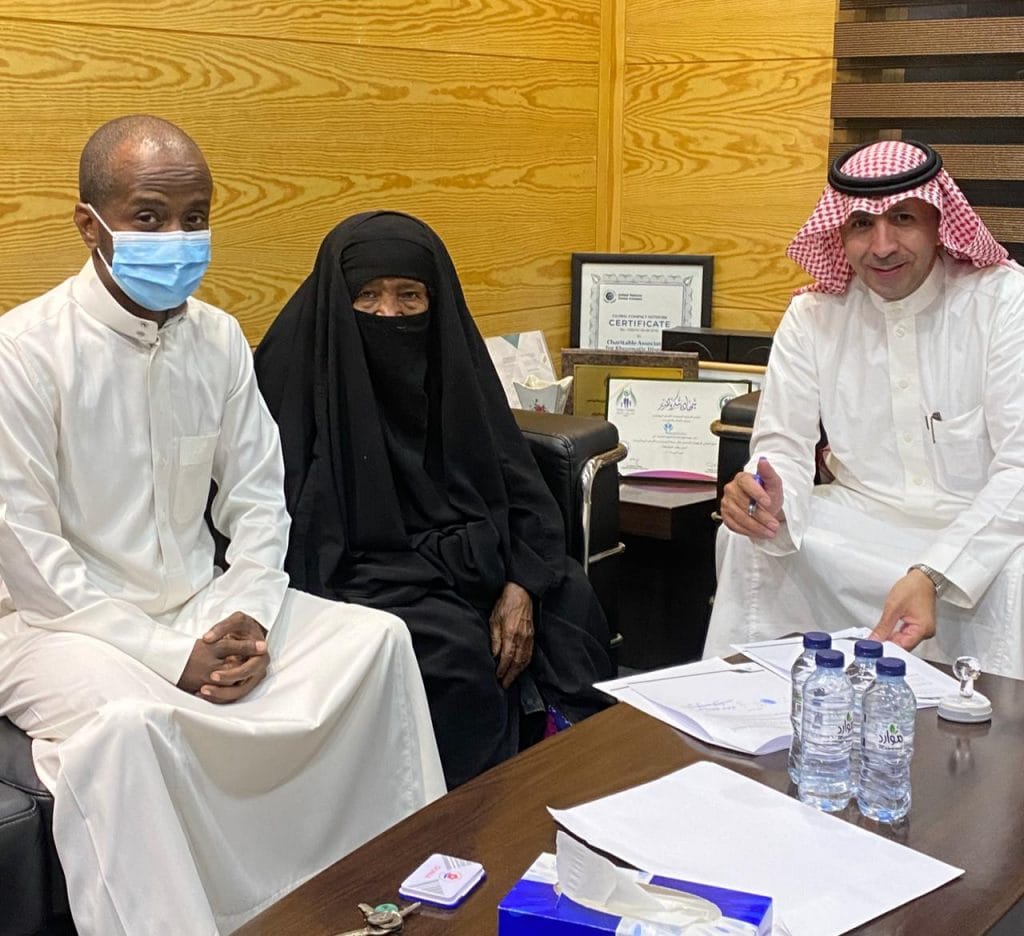
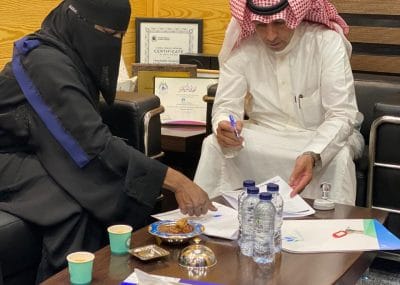
 Under the agreement between the Developmental Housing Program and the Association to provide housing to eligible beneficiaries from the most vulnerable social-security families and enable them to own suitable homes, the Charitable Association for Rheumatism Patients provided 50 housing units to Association beneficiaries in Riyadh. The units included an apartment building in Al-Narjis, two in Laban, one in Al-Dar Al-Baida, and apartments in Al-Aziziyah and Qurtubah.
Board Chairman Dr. Mohammed Omair said the program provides an invaluable service to the most vulnerable social-security families who benefit from the Association's services. It supports the Association's development objectives and helps rheumatism patients obtain housing suited to their health needs. He thanked Developmental Housing for a program that advances social and development goals. In a related context, Association Executive Director General Mr. Mohammed Al-Tufaili Al-Zahrani said that delivering 50 housing units to beneficiaries was a major achievement, especially following the decision to join the program through the framework agreement between the Association and Developmental Housing. He said the beneficiaries' joy was heartwarming. Fifty families benefited from the program, which fundamentally changed their lives, brought them stability, and improved their living, social, and psychological circumstances. He added that the initiative forms part of a portfolio of social responsibility programs and initiatives.
Al-Tufaili thanked the country's leaders—may God protect them—and the officials responsible for the program at the Ministry of Housing, represented by Developmental Housing.
Developmental Housing delivers homes through construction, purchases from available market stock, or housing units owned by the Ministry and available across the Kingdom's regions.
Published 25 November 2020